




Most products borrow attention. The good ones earn it.

Product strategy for early-stage founders.
I help you find the problem worth solving, the value only you can deliver, and the moat a competitor can't copy next week.
What we build shapes how we live. So let’s stop building bullshit.
Hi, I'm Melinda. 👋
Hi, I'm Melinda. 👋
I'm a lifelong nerd who combined a love of games with a fascination for how people actually behave into 15+ years building, advising, and leading at early-stage venture-backed companies. I've sat in the CEO, COO, and CPO seats and made these calls under real pressure, not in theory.
I have collaborated with global organizations such as Aegon, Elsevier, and Rituals, contributed to Interreg initiatives, advised the European Commission and Goethe-Institut, and serve on the advisory board of the SXSW Pitch competition.
As one of the early voices in gamification, I've become a globally trusted authority on behavior and technology, with multiple awards including two Red Dot Awards.
I'm a lifelong nerd who combined a love of games with a fascination for how people actually behave into 15+ years building, advising, and leading at early-stage venture-backed companies. I've sat in the CEO, COO, and CPO seats and made these calls under real pressure, not in theory.
I have collaborated with global organizations such as Aegon, Elsevier, and Rituals, contributed to Interreg initiatives, advised the European Commission and Goethe-Institut, and serve on the advisory board of the SXSW Pitch competition.
As one of the early voices in gamification, I've become a globally trusted authority on behavior and technology, with multiple awards including two Red Dot Awards.
The three things that actually kill products.
The three things that actually kill products.
No PMF. No clear UVP. No definsibility.
Most products aren't dying of a technical problem. They're dying because they solve something no one will pay to keep solved, because they can't say what makes them different, or because they've built nothing a competitor can't copy in a weekend.
All three are human problems: real needs, real value, real innovation. This human layer is where the competitive advantage stands and where I can help.
Most products aren't dying of a technical problem. They're dying because they solve something no one will pay to keep solved, because they can't say what makes them different, or because they've built nothing a competitor can't copy in a weekend.
All three are human problems: real needs, real value, real innovation. This human layer is where the competitive advantage stands and where I can help.
From the people I've worked with
From the people I've worked with
She doesn’t just tell you what to do, she makes sure the whole team truly understands what needs to be done, why it matters, and how it connects to the bigger picture. She has this incredible ability to bring people ...
She doesn’t just tell you what to do, she makes sure the whole team truly understands what needs to be done, why it matters, and how it connects to the bigger picture. She has this incredible ability to bring people ...
Melissanthi
— Mindstone
A true protector, putting fires down before anyone else saw them, keeping things run smoothly and with a constant ease, she was able to fill in for diversity of roles, take on whatever needed and do it well. ...
Thank you for building such an empowering tool, especially for designers! The site went from Figma to Framer in less than a week!

Nela
— Kaizo
Melinda is that rare breed of someone who is highly strategic, but also a brilliant executor. She was able to be in the detail across functions ... and she always had time and empathy for others ...
Thank you for building such an empowering tool, especially for designers! The site went from Figma to Framer in less than a week!

Romanie
— Chatsie
Melinda is an empathetic and generous leader that would slot in and fully own most C-level positions that a startup needs to the degree that you wouldn't want to ever work with anyone else. ...
She doesn’t just tell you what to do, she makes sure the whole team truly understands what needs to be done, why it matters, and how it connects to the bigger picture. She has this incredible ability to bring people ...
Stefan
— Glen
She is one of the most intelligent and dedicated people I know, making her a true asset to any team or client. Her knowledge of user psychology distinguishes her from her peers as the go-to person ...
She doesn’t just tell you what to do, she makes sure the whole team truly understands what needs to be done, why it matters, and how it connects to the bigger picture. She has this incredible ability to bring people ...

Joanna
— Booking.com
The Human Renaissance
The Human Renaissance
Talks on what technology is doing to people, and what to build instead.
I speak on AI and ethics, gamification, and human behavior. Underneath all of it is one question: what happens to people when systems are designed without them in mind. I've appeared at SXSW, HATCH, World Usability Day, Gamification World, and 50+ events worldwide.
I speak on AI and ethics, gamification, and human behavior. Underneath all of it is one question: what happens to people when systems are designed without them in mind. I've appeared at SXSW, HATCH, World Usability Day, Gamification World, and 50+ events worldwide.
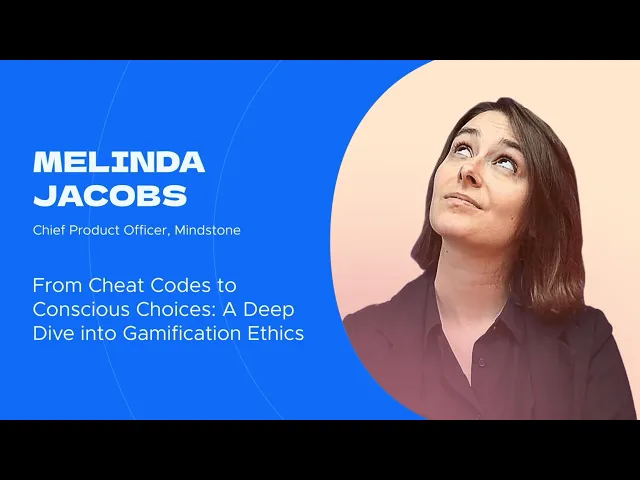
From Cheat Codes to Conscious Choices
From Cheat Codes to Conscious Choices
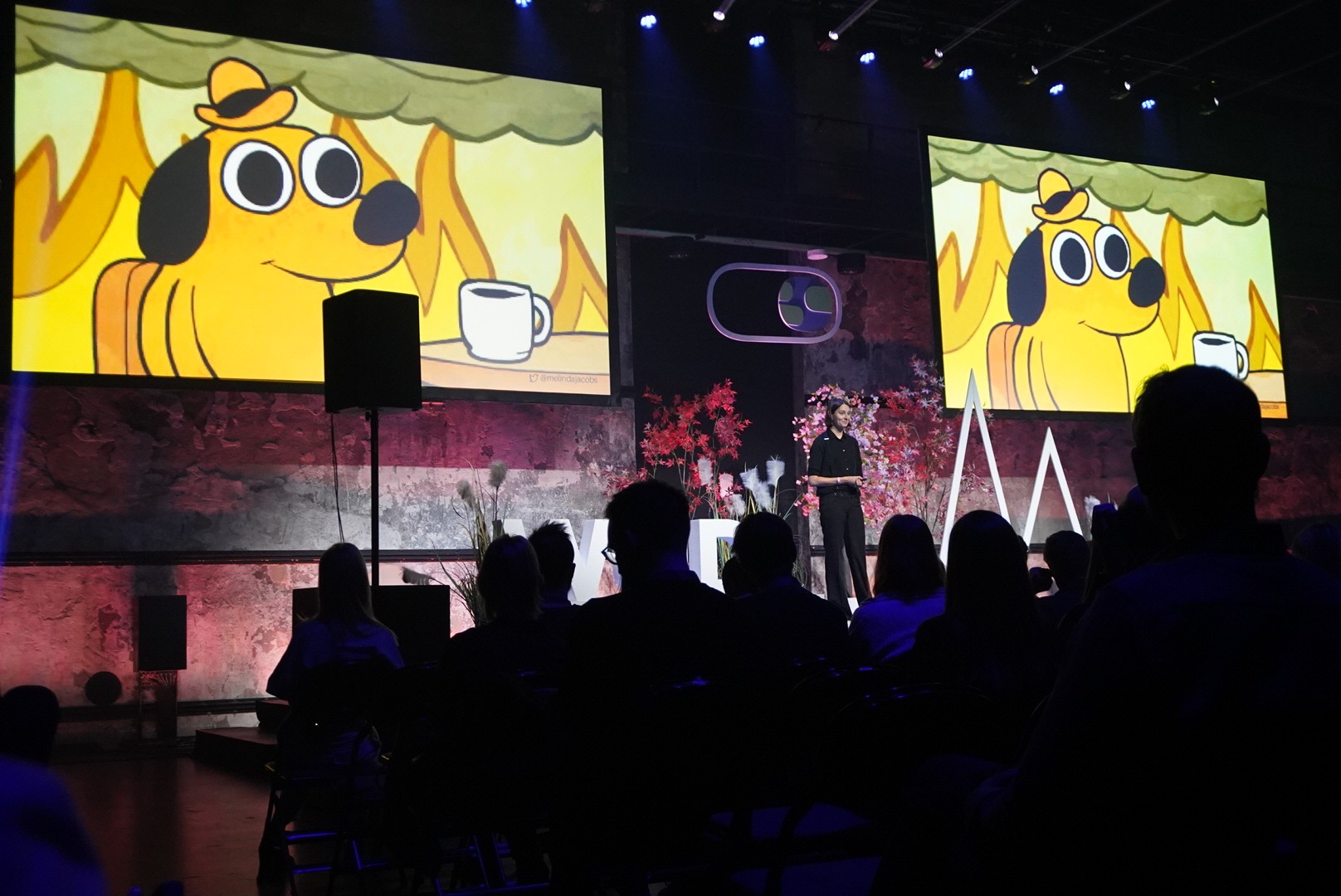
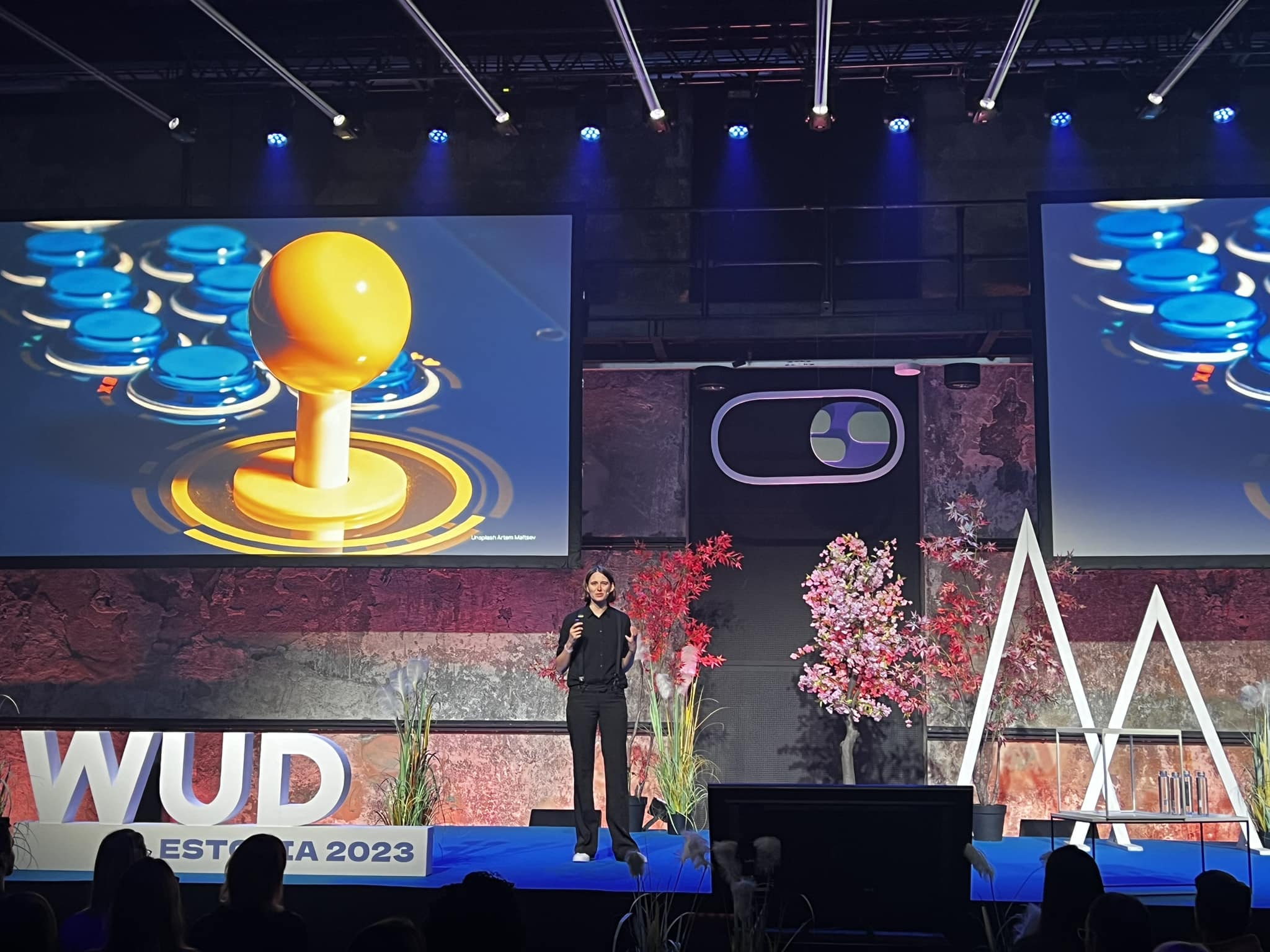
World Usability Day Estonia 2023
Where's the line between motivating people and manipulating them and what happens when designers don't know the difference?
Where's the line between motivating people and manipulating them and what happens when designers don't know the difference?
Where's the line between motivating people and manipulating them and what happens when designers don't know the difference?
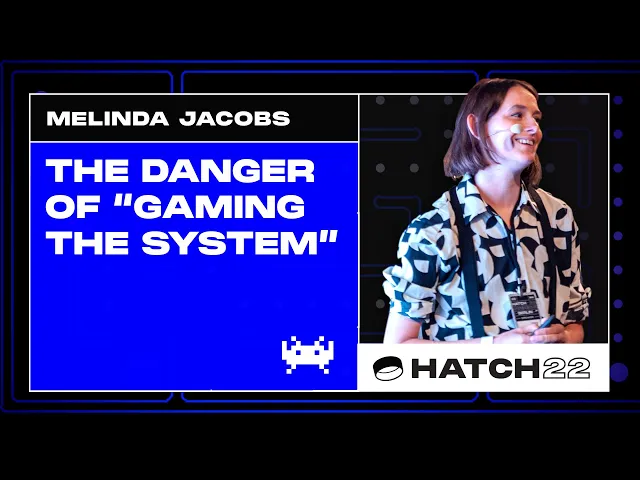
The Danger of Gaming
the System
The Danger of Gaming
the System
The Danger of Gaming the System
HATCH Conference 2022
Why designing for engagement without understanding the system underneath it is the most dangerous thing a designer can do.
Why designing for engagement without understanding the system underneath it is the most dangerous thing a designer can do.
As seen in media and on stage







Building isn't the hard part.
Knowing whether anyone needs it is. If that's the question you're sitting with, let's talk.